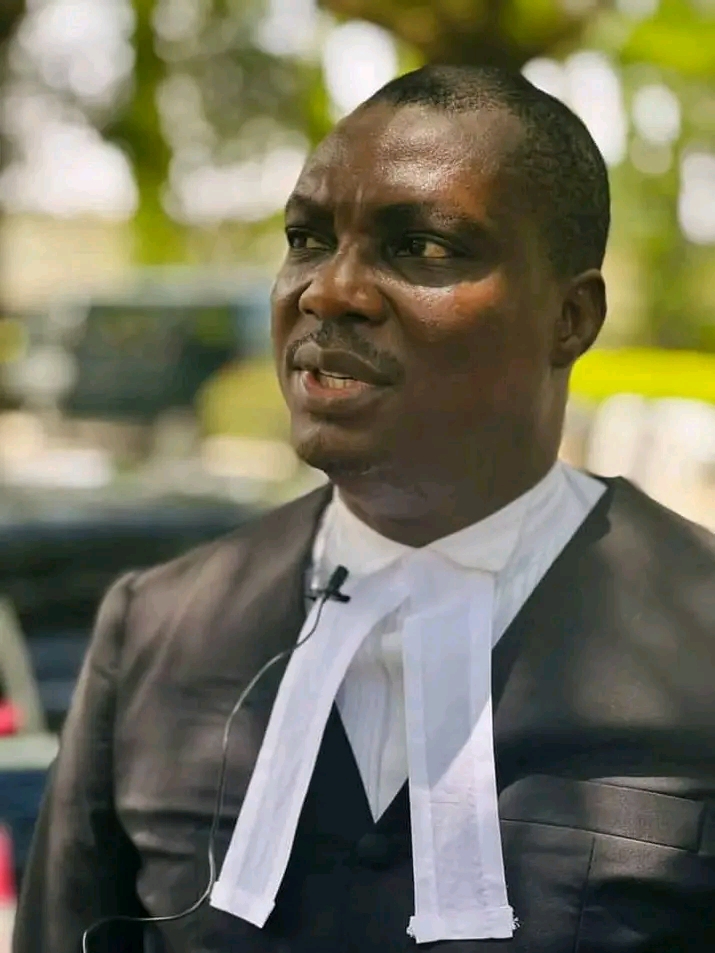
This afternoon, I had the privilege of speaking at the People’s Power Space on X. The advertised topics were “Tinubu and the State vs Omoyele Sowore” and “The Lawlessness of the DSS.”
As I reflected on them, I felt they did not go deep enough. The danger with discussing personalities is that the conversation often ends with the personalities. So, I deliberately chose a different path.
Rather than speak about Tinubu, I spoke about the Nigerian State. Rather than speak about Sowore merely as an individual, I spoke about the political trial of the Nigerian citizen, with Sowore in view. My objective was to move the conversation from personalities to institutions, and from politics to political philosophy.
One aspect of the lecture generated particularly engaging discussions: the myth of political structure.
Every election season, many ask, “Where is his structure?” But before asking where the structure is, we must first ask: What is structure?
If Omoyele Sowore truly has no structure, why has the Nigerian State found him impossible to ignore? Why the repeated arrests, prosecutions, detentions and the enormous institutional attention devoted to one man and one relatively small political party? Why imprisonment towards election, if he is inconsequential?
The truth is that many people are looking for the everyday, every party kind of structure. They look for ward chairmen, delegates, local government executives, monthly meetings, bags of rice, ankara yards, bottles of wine, patronage networks and vote-buying machinery. That is the structure of traditional political parties.
But there is a structure beyond structure.
It is the structure of the unheard, the underrated and the underestimated. It is the structure of millions of cheated, ignored and angry but voiceless Nigerians searching for a voice, someone to articulate what they have long felt but could never effectively express. Whether one agrees with Sowore or not is beside the point. There is little doubt that many of those citizens see him as a voice for their frustrations.
If only we understood how powerful this untapped structure truly is. Ironically, many who pride themselves on being politically exposed and educated are often the first to dismiss it. They confidently conclude that “he cannot win because he has no structure.” Yet that conclusion may itself reveal a shallow understanding of politics.
History teaches that the most enduring political movements are first built in the minds of citizens before they are reflected at the ballot box. Some structures are visible. Others are invisible until history reveals their strength.
Whether this structure will ultimately translate into electoral victory is a question for the future. But to insist that it does not exist simply because it is different from the conventional party machinery is to misunderstand how political movements are born and how history often unfolds.
Today’s conversation left me even more convinced that Nigeria’s greatest political deficit is not merely bad leadership. It is poor political education.
That is why, beginning tomorrow, I shall commence a weekly Facebook series titled POLI-DUCATION. It will be a conversation on political philosophy, constitutional democracy, governance, citizenship, power, institutions and the ideas that shape nations and determine their future.
If Nigeria must change, our politics must first mature. And if our politics must mature, our political understanding must deepen.
Tomorrow, let the conversation begin.
Tope Temokun
July 19, 2026.
Leave a Reply