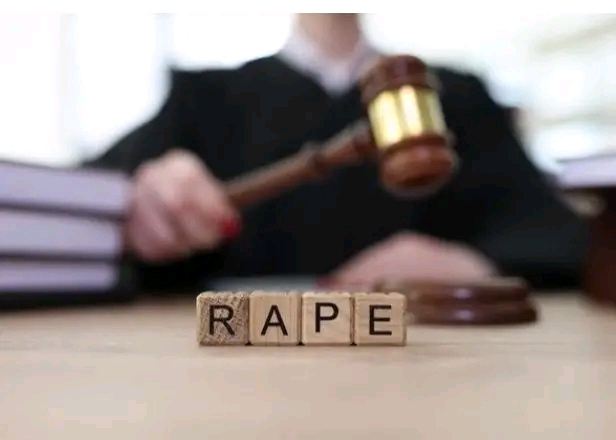
Rape remains one of the gravest crimes in our society. It leaves deep physical, emotional, and psychological scars on survivors and demands a serious legal and social response. False rape accusations, while considerably less prevalent than authentic cases, can inflict substantial harm. Fabricated allegations undermine public trust and complicate the pursuit of justice for real victims.
Recently, Mirabel, a TikToker, garnered significant attention for her tearful claim of rape. The story went viral, sparking outrage and sympathy. However, following public scrutiny, she later retracted the claim. Incidents like this fuel skepticism and make it harder for genuine survivors to be believed.
Similarly, a case involving a female student at Obafemi Awolowo University (OAU) drew public attention when she accused a male colleague of rape without presenting evidence. She went further by publishing his phone number online, exposing him to threats and harassment. The matter escalated until the accused student petitioned the university Senate, after which the accuser publicly apologized.
Last year, Paul Okoye (Rudeboy of Psquare) also pursued legal action against a woman who accused him of rape on Twitter—an allegation he denied and challenged in court.
There was also a disturbing case in which a woman accused her husband of sexually molesting their children. The allegation caused public outrage and serious reputational damage. However, following police investigation, the claims were found to be false. Such incidents demonstrate how deeply destructive unverified accusations can be—not only to the accused, but also to the children and families involved.
In another tragic case six years ago, a Nigerian entrepreneur based in the US, Izuchukwu Madubueze (known as Izu), reportedly took his own life following a false rape accusation, underscoring the severe emotional and social consequences that can accompany such claims.
It is important to state clearly: false accusations are not the norm. Research globally shows that false rape reports make up a small percentage of total cases. However, even isolated incidents can have damaging ripple effects. They can discourage real victims from coming forward, provide ammunition for those who dismiss sexual violence claims outright, and destroy the lives and reputations of the falsely accused.
Justice must be balanced and evidence-based. Rape allegations should always be taken seriously, investigated thoroughly, and handled with due process. At the same time, deliberately fabricating such claims should carry legal consequences. Accountability on both sides strengthens—not weakens—the integrity of the justice system.
The fight against sexual violence requires honesty, responsibility, and fairness. Weaponizing rape accusations for revenge, clout, or personal disputes harms everyone—especially genuine survivors who already face immense barriers in seeking justice.
Say no to rape.
Say no to false accusations.
Stand for truth and justice—for all.
Oluwatosin Adeyemi (Humanist)
Leave a Reply