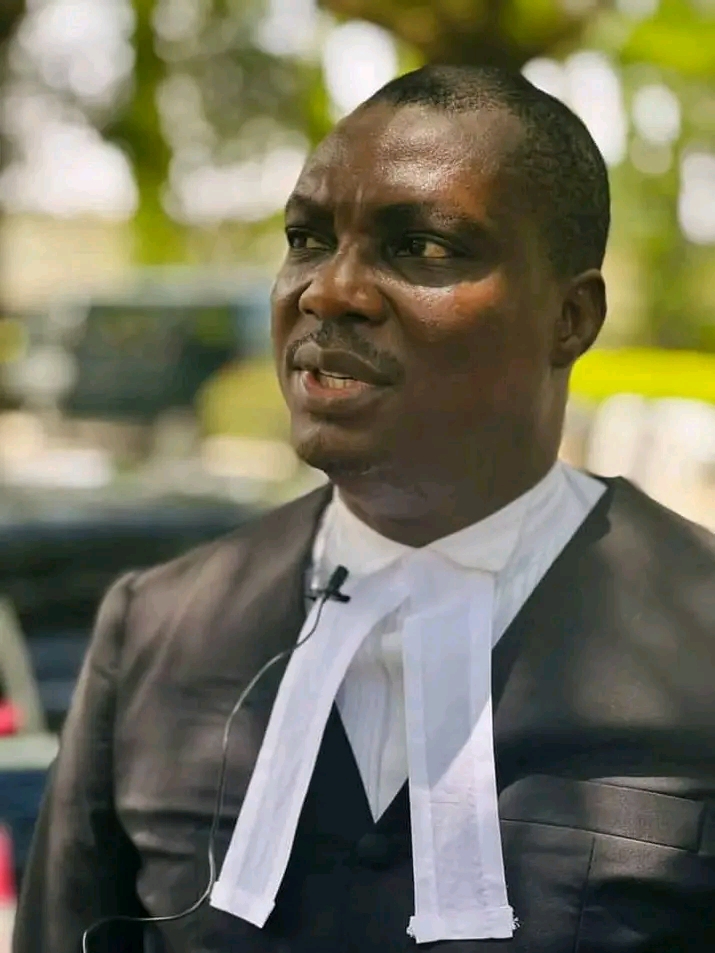
“Are the poor the problem in this country? They keep voting for the same politicians.”
I grew up in a typical Nigerian community. Election season had its own atmosphere. Politicians who had forgotten our existence suddenly remembered every compound. Men who had not greeted elders for four years became unusually humble. They shook hands with everyone. They smiled at everyone. They attended funerals they would ordinarily ignore. They danced at village functions and festivities. They spoke our language with pride and surprising fluency. They passed a clear message that they belonged here and we were one.
Then came the familiar packages. Rice. Ankara clothes. A few crisp naira notes. Sometimes, a motorcycle for a youth leader. Sometimes, roofing sheets for a community project. Sometimes, promises that sounded too beautiful to doubt. For a brief moment, people felt seen and recognized.
Years later, I began to ask myself a question. Why do intelligent people repeatedly make political choices that seem contrary to their own interests?
Imagine a father whose children slept hungry the previous night. Imagine a widow wondering where the next meal will come from. Imagine a young graduate who has searched for work for five years after graduation without success.
Then a politician arrives with immediate relief, a bag of rice or something in its category. Another arrives with only a manifesto of policies that would fix the roads, fix the schools, fix the hospitals, give jobs, but no bag of rice and nothing in its category.
To the hungry, the bag of rice becomes the manifesto. This is the nearest bus-stop of our political tragedy.
Poverty itself is another political environment. It is an environment that limits its inhabitants. It weakens their power of resistance. It conditions them to the painful corner of narrow choices, where the next meal is the manifesto, that becomes more important than the future.
This way mass poverty quietly becomes one of the most effective political tools ever invented and its greatest beneficiary is the politician. He appears every four years with charity, while carefully avoiding discussion on policies that would make charity unnecessary. That is the real subterfuge, a display of generosity that conceals the deeper failure of governance.
The tragedy is that after the rice is eaten, the hunger remains. After the Ankara clothes fade, unemployment remains. After the cash is spent, the broken schools remain. The dilapidated hospitals remain. The same politician returns four years later with another bag of rice and that is the democracy in our country. But this is not democracy. They changed it for us. It is the politics of poverty.
It would be precipitous to conclude that poor people simply vote against their interests. No. They often vote within the painful limits that poverty imposes upon them.
The first villain here is not the poor who collected the gift, but those in privileged positions who created or aided the conditions that made the gift politically irresistible and avoids any discourse that asks questions to unravel the truth about true change!
The real question is why a nation blessed with enormous human and natural resources continues to produce citizens and electorates whose real political essence and existence thrive on charity and gift from politicians and for whom a bag of rice has become a decisive political manifesto in every electoral season.
And perhaps that is question we must ask, discuss and answer, for a true democratic rebirth to begin.
Tope Temokun
20th July, 2026.
Leave a Reply