Nigeria celebrates Democracy Day on June 12 to honour the annulled June 12, 1993 presidential election—an election widely regarded as the freest and fairest in the country’s history.
For years after the return to civilian rule in 1999, Democracy Day was observed on May 29, marking the handover of power from the military to an elected government. However, in June 2018, former President Muhammadu Buhari moved the celebration to June 12, describing it as “far more symbolic of democracy in the Nigerian context than May 29.”
June 12, therefore, is not merely about commemorating an election. It is about remembering the struggle, sacrifice, and aspiration for credible elections, justice, and democratic governance.
A Day of Celebration for the Political Class
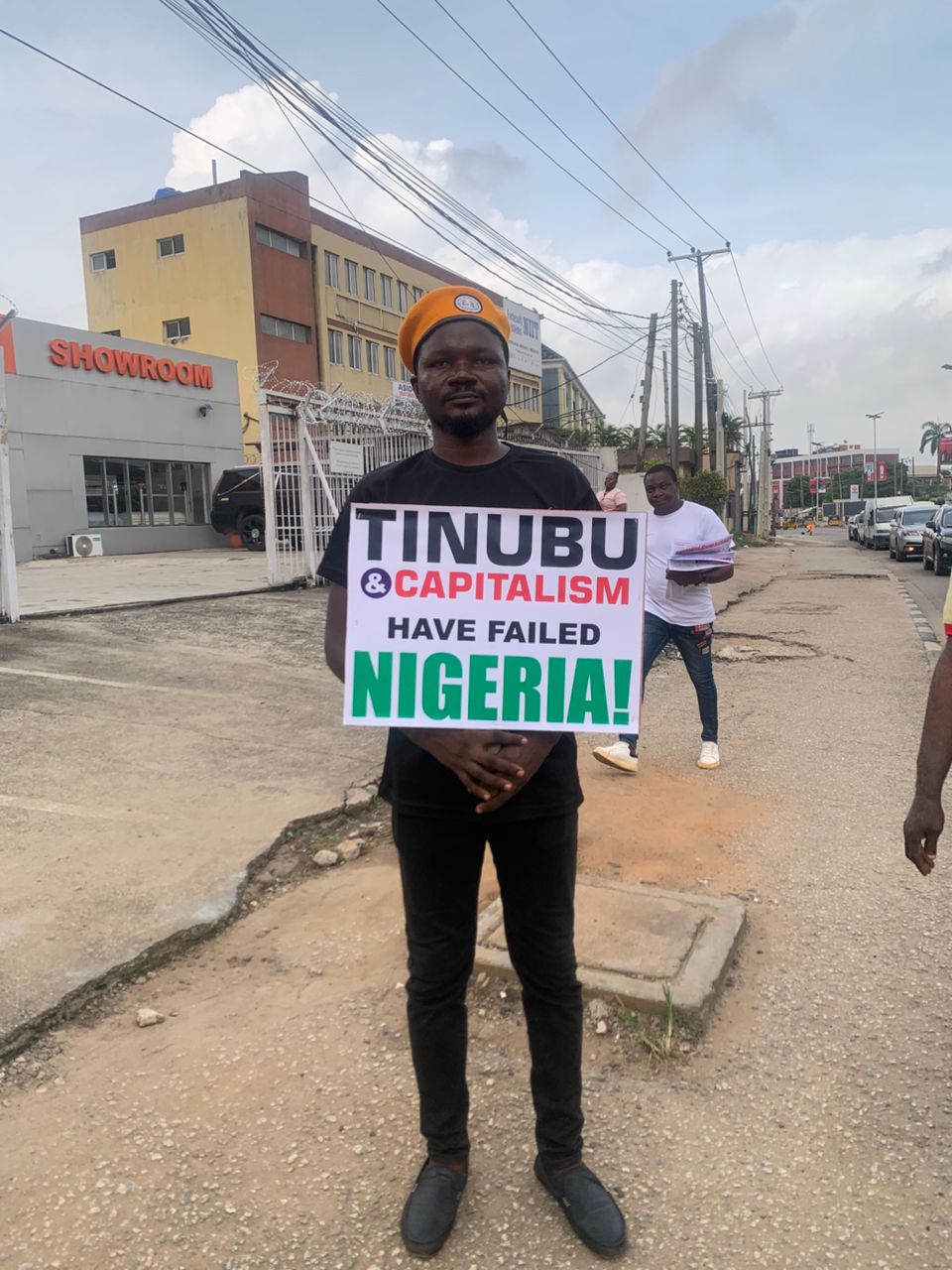
Yet, while the political elite celebrate, millions of ordinary Nigerians have little reason to rejoice. For the masses, Democracy Day often feels more like a day of mourning. The dividends of democracy remain concentrated in the hands of a privileged few, while the majority continue to grapple with poverty, hardship, and hunger.
Democracy is more than periodic elections or the transfer of power from one government to another. True democracy exists when a nation’s wealth benefits its people; when citizens can live without fear of kidnapping, terrorism, or violent attacks; when freedom of expression is protected; and when basic necessities such as food, education, healthcare, and decent livelihoods are within reach.
An Unhappy Day for the People
Sadly, today’s reality tells a different story. Insecurity persists across the country. Schoolchildren remain in captivity with little hope of immediate rescue. Inflation continues to erode incomes, unemployment remains high, and poverty deepens daily. The rising cost of education has pushed many young people out of school, while countless families struggle to survive.
These hardships have been worsened by policies implemented since the inauguration of President Bola Tinubu’s administration. While ordinary citizens endure increasing economic pressure, large corporations and political interests appear to thrive. Yet citizens are continually urged to remain hopeful.
Democracy or Crazy-Demo?
Can this truly be called democracy? Or “crazy-demo”—a demonstration of governance detached from the realities facing ordinary people?
We are tired of counting bodies and burying dreams. Nigerians deserve to live, work, and travel without fear. Democracy loses its meaning when citizens cannot sleep with both eyes closed or afford the basic necessities of life.
That is why many concerned citizens have chosen this Democracy Day to raise their voices against the insecurity, economic hardship, and social injustices confronting our nation. Democracy must go beyond slogans and ceremonies; it must translate into safety, dignity, opportunity, and a better life for all Nigerians.
Until then, for many citizens, there is little to celebrate on Democracy Day.
Leave a Reply