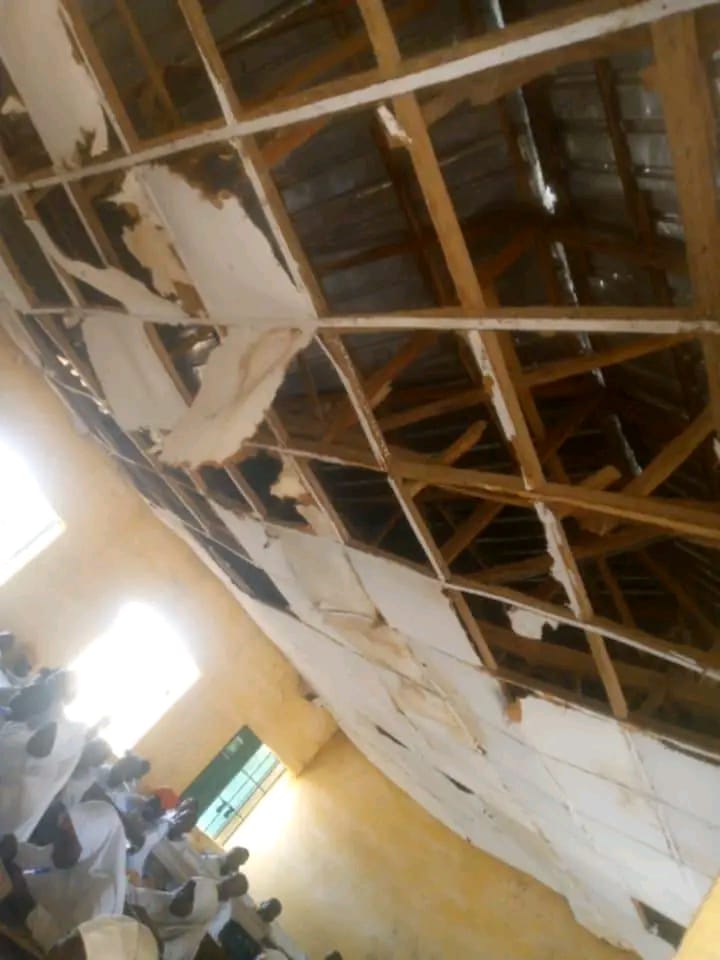
The Take It Back Movement Jigawa Chapter has raised concerns over the deteriorating state of public education in Jigawa State, describing the situation as a contradiction between huge government spending and poor realities in schools.
In a statement signed by Engr. Sani Aminu Taura, the TIB Coordinator, Jigawa Chapter, he said the current condition of schools across the state reflects “a troubling contradiction between government promises and the lived reality of the people.”
According to the statement, Jigawa State appears to demonstrate commitment to education on paper, with “over ₦184 billion allocated in 2025 and more than 26 percent of a ₦901 billion 2026 budget directed to the sector.” However, TIB noted that “these figures suggest priority and seriousness,” but added that realities on the ground tell “a completely different story.”
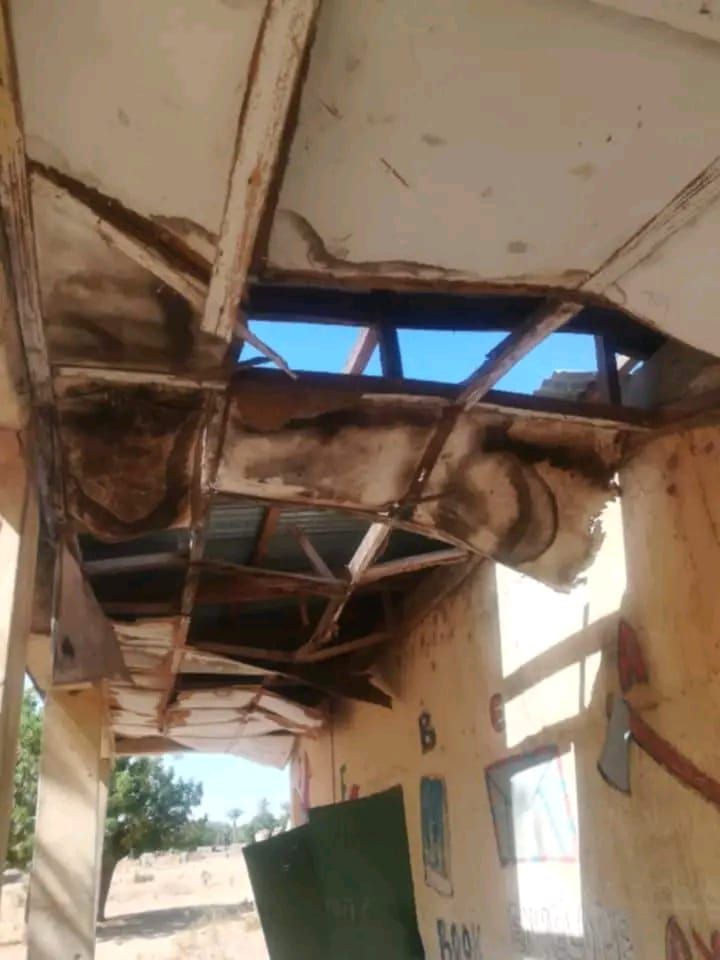
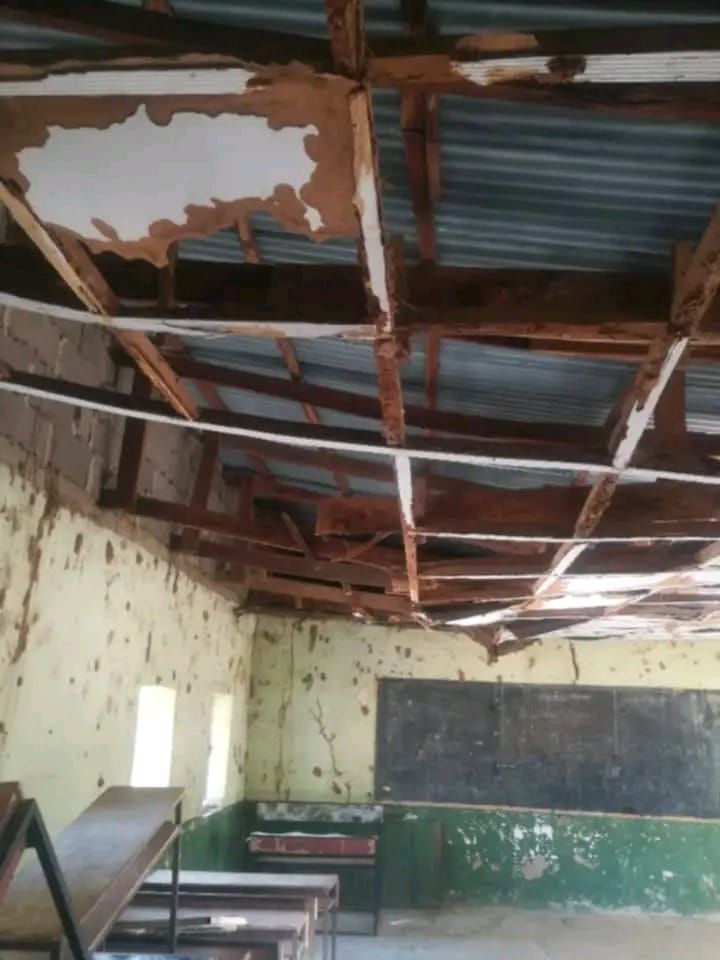
Citing field evidence gathered from multiple local government areas, the movement outlined several cases of poor infrastructure and lack of basic learning facilities. In Taura Local Government Area, students of Government Day Secondary School were reported to be sitting on bare floors due to the absence of chairs. In Miga Local Government Area, classrooms at Junior Secondary School Sabon Garin Takanebu reportedly lack ceilings and are in poor sanitary condition.
The situation is also critical in Malam Madori Local Government Area, where JSS Gandun Sarkin and Jibori Primary School are said to be facing severe infrastructural decay. Similarly, in Buji Local Government Area and Birniwa Local Government Area, schools such as Gwadayi Primary School and Yarda Primary School were described as operating under “degrading conditions that undermine learning and human dignity.”
“These are not isolated cases; they are part of a wider systemic failure,” the statement read. “When billions are allocated but classrooms remain without chairs, when funds are approved but roofs are missing, the issue is no longer about policy—it is about responsibility.”
TIB stressed that the poor learning environment has far-reaching consequences, stating that “when children are forced to learn in environments that lack the most basic facilities, it affects their learning, their confidence, and ultimately their ability to contribute meaningfully to society.”
Calling for urgent action, the movement call on the Jigawa State Government to provide “a detailed breakdown of education spending for 2025 and 2026” and to make public “a verifiable list of projects executed across all local government areas.” It also called for “an independent audit of education funds to ensure transparency and accountability.”
The statement further emphasized the role of the media and the public, noting that “this is not an issue that should remain confined to reports and statements. It requires verification, amplification, and sustained attention.” Communities were encouraged to document conditions in schools, while journalists were urged to go beyond official narratives.
While reiterating that the report is not an attack, the group described it as “a call to responsibility,” adding that “public funds are a public trust, and their impact must be visible in the lives of the people.”
“Jigawa does not lack resources. What is lacking is clear evidence that those resources are not being used to improve the lives of its citizens. Until classrooms reflect safety, dignity, and functionality, the education system will remain in crisis.”, the statement concluded.
Leave a Reply